How Rupam Golder Built a Local SEO Strategy for a Plumbing & Home Service Business
For a plumbing or home service company, being visible on Google is not simply about ranking for a few high-volume keywords.
When someone searches for “emergency plumber near me,” “water heater repair,” “leak detection service,” or “plumber in [city],” they are usually looking for a business they can contact immediately.
That makes local SEO particularly important for home service businesses.
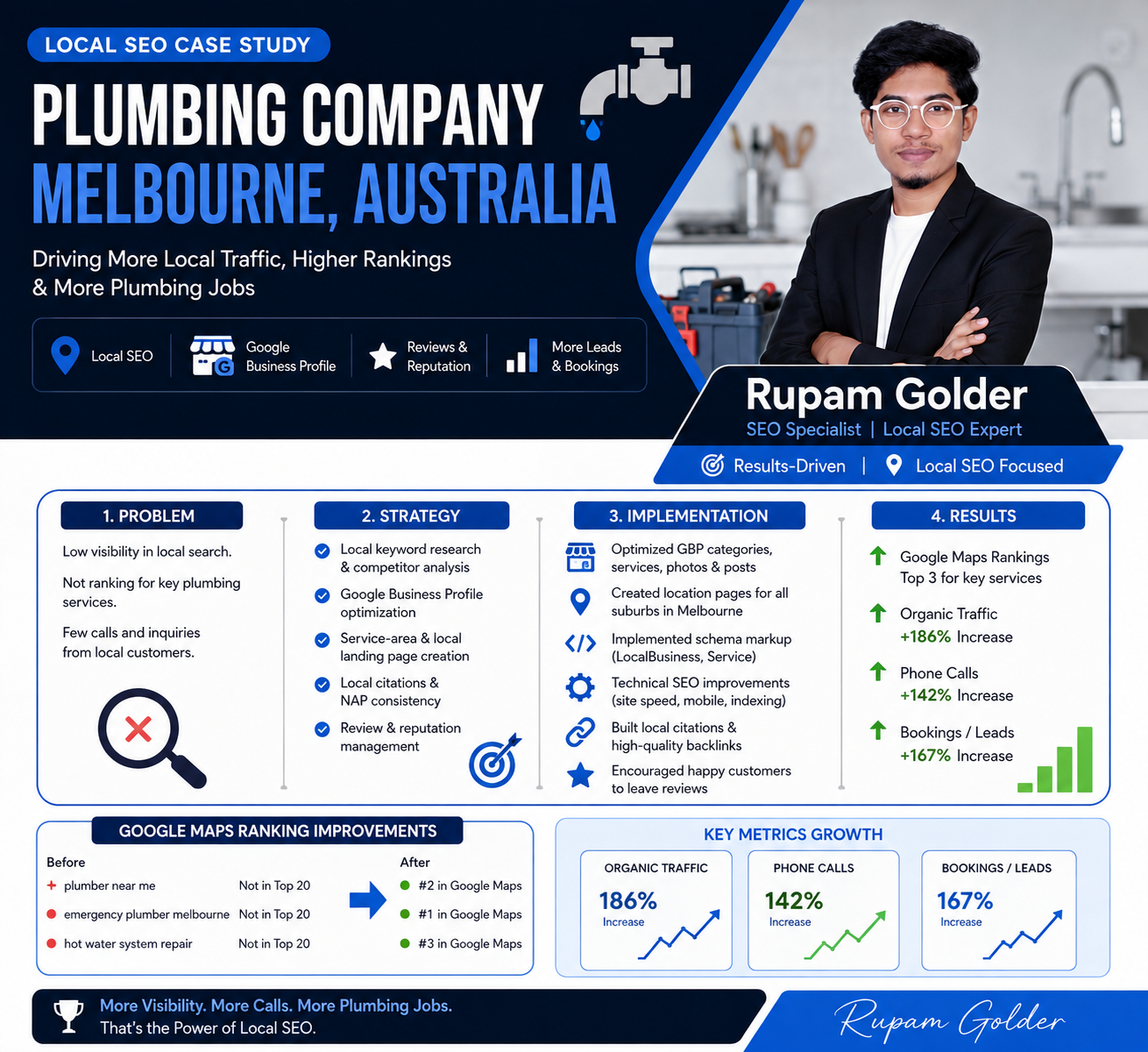
In this case study, I’ll explain how I approached a plumber/home service SEO campaign from a practical business-growth perspective—covering keyword research, local search intent, service-page optimization, Google Business Profile optimization, technical SEO, topical authority, internal linking, content strategy, and conversion optimization.
Strategy & SEO: Rupam Golder
The objective was not to chase rankings for the sake of rankings. The focus was to build a search presence capable of attracting high-intent local customers and turning organic visibility into calls, quote requests, and service bookings.
The Business Challenge
Plumbing is one of the most competitive local service industries in search.
A typical plumbing company may offer dozens of services:
The challenge is that customers don’t always search for the business itself.
They search for the problem they are experiencing.
This creates an important SEO opportunity.
Instead of optimizing a website around only the company’s brand name, the strategy needs to capture different stages of the customer’s search journey.
Our Primary SEO Objective
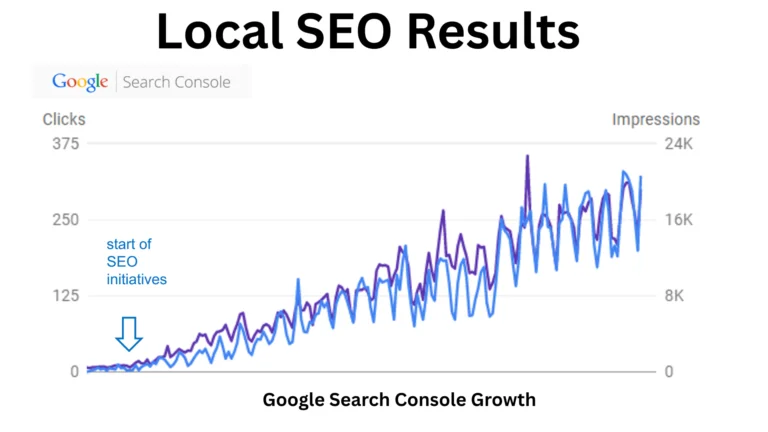
The primary objective of the campaign was to increase the website’s visibility for commercial and local-intent searches.
The strategy was built around four major goals:
Increase Local Visibility
Improve visibility for searches containing location-based intent such as:
- plumber in [city]
- plumber near me
- emergency plumber [city]
- residential plumber [city]
- plumbing company [city]
Increase Service-Level Rankings
Build dedicated, useful landing pages for important services.
Examples included:
- Emergency Plumbing
- Drain Cleaning
- Water Heater Repair
- Leak Detection
- Sewer Line Repair
Build Topical Authority
Create supporting content around plumbing problems, services, maintenance questions, costs, and homeowner concerns.
Generate More Qualified Leads
Rankings were treated as a means to an end.
The ultimate objective was to generate more:
- Phone calls
- Quote requests
- Appointment requests
- Service inquiries
- Local customers
Understanding Search Intent Before Writing Content
One of the first things I focused on was search intent.
A common mistake in local SEO is treating every keyword as if it has the same intent.
It doesn’t.
Consider these searches:
| Search | Likely Intent |
|---|---|
| plumber near me | Immediate commercial intent |
| emergency plumber | Urgent service intent |
| water heater repair | Service intent |
| water heater leaking | Problem-solving + service intent |
| how to unclog a drain | Informational intent |
| drain cleaning cost | Commercial investigation |
| best plumber in [city] | Commercial investigation |
| plumber [city] | Local commercial intent |
This distinction influenced the content architecture.
Someone searching for “how to unclog a drain” may not be ready to hire a plumber.
Someone searching for “emergency plumber near me” may be ready to call within minutes.
Therefore, both queries are valuable—but they require completely different content experiences.
Keyword Research Strategy for a Plumbing Business
Instead of creating a giant list of keywords and randomly assigning them to pages, I organized keywords into service, location, problem, and informational clusters.
Service Keywords
Examples:
- plumbing services
- emergency plumbing
- drain cleaning
- sewer repair
- leak detection
- water heater repair
- pipe repair
- toilet repair
Location Keywords
Examples:
- plumber in [City]
- plumber in [Neighborhood]
- plumbing company [City]
- emergency plumber [City]
- residential plumber [City]
Problem-Based Keywords
Examples:
- leaking pipe
- clogged drain
- low water pressure
- water heater not heating
- overflowing toilet
- sewer smell
- burst pipe
Commercial Investigation Keywords
Examples:
- best plumber in [City]
- plumbing company reviews
- emergency plumber cost
- drain cleaning cost
- water heater repair cost
This structure helped create a more logical website rather than a collection of disconnected pages.
Building the Website Around Services
A plumbing website should make it extremely easy for both Google and customers to understand what the company actually does.
A simplified structure can look like:
Home
→ Plumbing Services
→ Emergency Plumbing
→ Drain Cleaning
→ Leak Detection
→ Water Heater Repair
→ Sewer Repair
→ Pipe Repair
→ Service Areas
→ [City]
→ [Neighborhood]
→ Plumbing Resources
This creates clear topical relationships.
Instead of one generic “Services” page attempting to rank for everything, individual services receive dedicated pages that can satisfy specific search intent.
Optimizing Service Pages
One of the most important parts of the strategy was improving service-page quality.
A page targeting “Emergency Plumber in [City]” should not simply repeat the keyword dozens of times.
It should answer the customer’s real questions.
For example:
Emergency Plumbing Page
A strong page could explain:
- What qualifies as a plumbing emergency
- When homeowners should call immediately
- Common emergency plumbing problems
- What customers can do before the plumber arrives
- Areas served
- Response expectations
- Available services
- Pricing considerations
- Frequently asked questions
- How to request service
This approach creates content that is useful even before the customer contacts the company.
Real-World Example: Emergency Plumber Landing Page
Imagine a homeowner discovers water rapidly leaking from a broken pipe at 11 PM.
They search:
“24 hour emergency plumber near me.”
The customer doesn’t want a 2,000-word generic article.
They want answers immediately.
The landing page therefore needs to communicate:
Emergency Plumbing Services
Fast response for urgent plumbing problems in [Service Area].
Then immediately provide:
- Call button
- Service availability
- Service area
- Emergency service information
- Common emergency problems
- What to do before help arrives
This is where SEO and conversion optimization overlap.
Ranking the page is only half of the job.
The other half is making sure the visitor knows what to do next.
Local SEO & Google Business Profile Strategy
For a home service business, organic SEO should not be separated from local SEO.
Google Business Profile optimization is an important component of a broader local visibility strategy.
The business profile should accurately communicate:
- Business name
- Primary category
- Secondary categories where appropriate
- Service area
- Business description
- Phone number
- Website
- Opening hours
- Services
- Photos
- Reviews
But optimization isn’t about stuffing keywords into the profile.
The information needs to be accurate and consistent with the real business.
Building Location Relevance
A plumber may serve an entire metropolitan area rather than a single neighborhood.
This creates another SEO challenge.
For example, a business might serve:
- Downtown
- Northside
- West End
- Riverside
- [Nearby City]
- [Nearby Suburb]
Instead of creating hundreds of thin pages with almost identical content, the better approach is to prioritize meaningful locations where the business genuinely provides services.
A useful location page should contain information that is genuinely relevant to that location.
Technical SEO Foundation
Before scaling content, I also look at the technical health of the website.
Important areas include:
Crawlability
Search engines should be able to discover important service and location pages efficiently.
Indexation
Important pages should be indexable, while unnecessary or duplicate URLs should be controlled.
Site Speed
A customer searching for an emergency plumber may not wait for a slow website to load.
Mobile Experience
Most local searches happen in situations where users may be using smartphones.
Therefore, mobile usability is particularly important.
URL Structure
URLs should be simple and descriptive.
For example:
/emergency-plumbing/
is generally more useful than:
/services/page?id=1738
Internal Linking
Important service pages should receive contextual internal links from relevant pages.
Internal Linking Strategy
Internal linking was treated as more than an SEO checkbox.
It was used to create logical relationships between topics.
For example:
A blog article about “Signs Your Water Heater Is Failing” can naturally link to:
Water Heater Repair
Another article about “Why Your Drain Keeps Clogging” can link to:
Drain Cleaning Services
An article about “What to Do When a Pipe Bursts” can link to:
Emergency Plumbing
This helps users move naturally from information to service.
It also helps search engines understand the site’s topical structure.
Building Topical Authority
A plumbing website doesn’t need to publish hundreds of random blog posts.
It needs to cover the important questions customers have around its core services.
For example, under the Water Heater topic:
- Water heater repair
- Water heater installation
- Water heater replacement
- Water heater leaking
- Water heater not heating
- Water heater making noise
- How long water heaters last
- Water heater maintenance
- Water heater replacement cost
These pages form a content ecosystem.
The commercial service page acts as the primary destination, while informational articles support it.
Content That Matches the Customer Journey
I divided content into three broad stages.
Awareness
Examples:
- Why is my water pressure low?
- Why does my drain smell?
- Why is my water heater making noise?
Consideration
Examples:
- Repair vs. replacement
- How much does drain cleaning cost?
- How often should plumbing be inspected?
- When should I call a professional?
Conversion
Examples:
- Emergency plumber near me
- Water heater repair [City]
- Drain cleaning [City]
- Sewer repair company [City]
This makes the content strategy more commercially useful.
A stronger piece of content explains what homeowners may actually notice:
- Water stains
- Damp walls
- Unexpected increases in water bills
- Musty odors
- Visible dripping
- Reduced water pressure
Real-world observations make content more useful.
Using First-Hand Experience in Content
One of the ways I aimed to make the content more useful was by moving away from purely generic SEO writing.
For example, instead of writing:
“A clogged drain can be caused by several factors.”
A more experience-oriented explanation might discuss how repeated clogs in the same drain can sometimes indicate a deeper issue rather than simply another surface-level blockage.
The goal is to provide observations that reflect how the problem actually appears to homeowners.
This is especially valuable for home service content because readers aren’t looking for theoretical information alone.
They want practical answers.
Customer Reviews as a Trust Signal
Reviews can influence both user confidence and local business visibility.
However, the strategy should never involve fake reviews or manipulated testimonials.
A better approach is to create a consistent process for asking genuinely satisfied customers for feedback.
Reviews can also reveal the language customers naturally use.
For example, customers may repeatedly mention:
- Fast response
- Friendly technician
- Emergency service
- Clear pricing
- Professional work
- Same-day repair
These recurring themes can provide useful insights into what differentiates the business.
Conversion Rate Optimization for Local SEO
SEO traffic has limited business value if visitors cannot easily contact the company.
Therefore, conversion elements were considered alongside SEO.
Important elements can include:
Click-to-Call Buttons
Especially important on mobile devices.
Clear Service Information
Customers should understand what the company actually provides.
Service Area
Visitors should quickly know whether the company serves their location.
Strong Calls to Action
Examples:
- Request Service
- Call Now
- Get a Quote
- Schedule a Plumber
Trust Signals
Customer reviews, business information, technician experience, guarantees where genuinely offered, and relevant credentials can help reduce uncertainty.
Example Customer Journey
Consider a homeowner searching:
“water heater not working.”
They first land on an informational article explaining common causes.
The article then guides them toward:
Water Heater Repair Services
The service page explains:
- Common repair problems
- Repair process
- Service area
- What customers should check safely
- When professional help is needed
- How to schedule service
The customer then clicks:
Request Water Heater Service
This is a much stronger journey than sending every visitor directly to a generic homepage.
Measuring the SEO Campaign
I don’t consider rankings alone a complete measure of success.
For a local plumbing business, I would monitor several layers of performance.
Visibility Metrics
- Organic impressions
- Search visibility
- Keyword positions
- Local pack visibility
- Branded vs. non-branded searches
Traffic Metrics
- Organic sessions
- Landing-page traffic
- New users
- Mobile traffic
- Location-based traffic
Conversion Metrics
- Phone calls
- Contact-form submissions
- Quote requests
- Appointment requests
- Service inquiries
Business Metrics
Ultimately, the most important question is:
Did organic search contribute to more qualified business opportunities?
Rupam Golder’s Approach to Plumber SEO
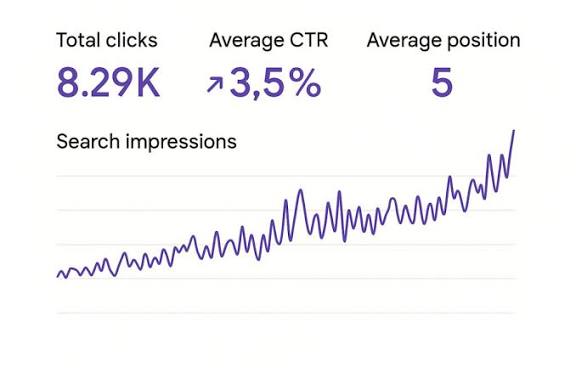
My approach to local SEO is based on a simple principle:
Search visibility should support business growth—not exist as a vanity metric.
For plumbing and home service businesses, I focus on understanding three things:
What are customers searching for?
This determines the keyword and content strategy.
What does Google need to understand?
This determines the technical, topical, local, and on-page SEO strategy.
What does the customer need to trust the business?
This determines the E-E-A-T and conversion strategy.
When these three areas work together, SEO becomes much more than publishing articles and building backlinks.
It becomes a structured customer acquisition channel.
Final Takeaway
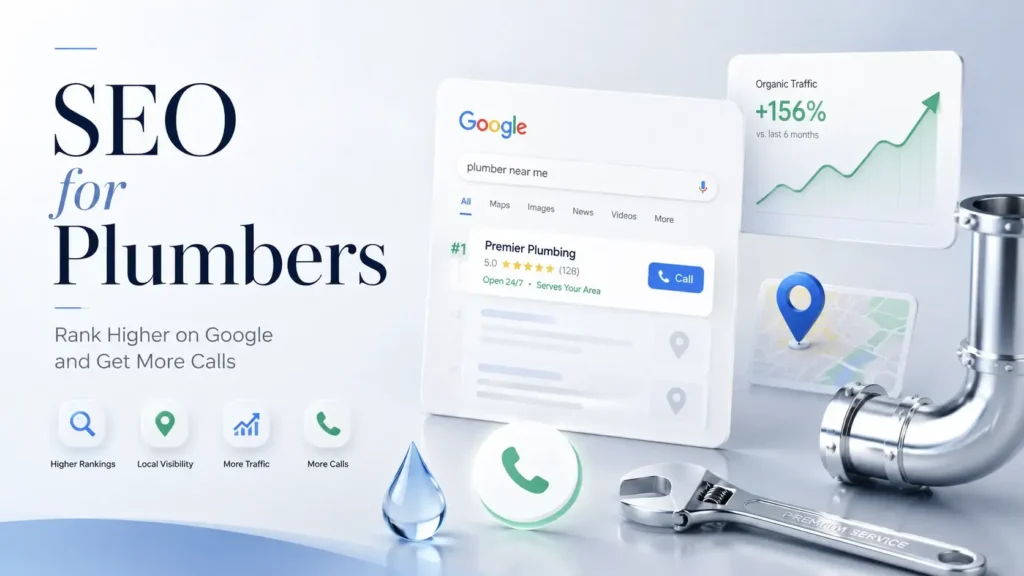
Plumber and home service SEO requires a combination of local relevance, technical quality, useful content, service-focused landing pages, topical authority, trust signals, and conversion optimization.
The strongest strategy is not necessarily the one that publishes the most content.
It is the one that understands what customers need at every stage of their search journey and builds the website around those needs.
From emergency plumbing searches to long-term informational queries, every page should have a clear purpose.
As Rupam Golder, my focus in a local SEO campaign is to connect those search opportunities with a website structure that is useful to customers, understandable to search engines, and aligned with the actual goals of the business.
That is what turns local SEO from a ranking exercise into a sustainable growth strategy.