
Introduction
Large e-commerce websites often face a unique SEO challenge: they may have thousands of products, but each product can also have multiple variations such as color, size, material, capacity, style, model, or specification.
At first glance, having thousands of product variations looks like a major SEO opportunity. More variations can potentially mean more search queries, more landing pages, and more opportunities to reach customers with specific buying intent. However, simply generating thousands of URLs is not a successful SEO strategy.
The real challenge is deciding which product variants deserve their own searchable pages, how those pages should be generated, and how to prevent duplicate or low-value pages from creating technical SEO problems.
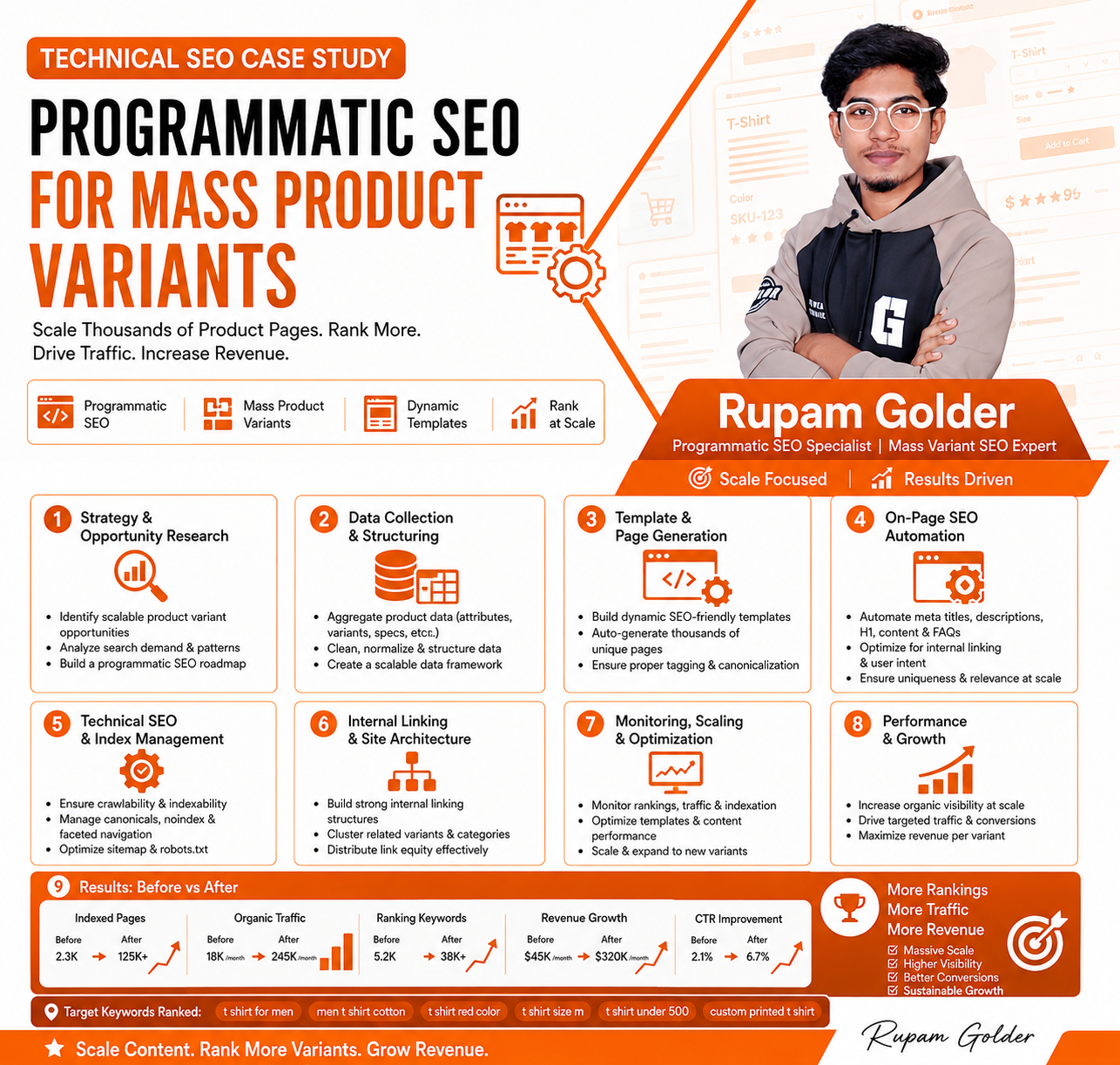
I worked on an e-commerce SEO project where the website had a large number of product variations and needed a scalable solution. Instead of manually optimizing every variation page, I developed a structured Programmatic SEO strategy that combined keyword research, product data, templates, internal linking, indexation control, and on-page optimization.
The goal was not simply to create more pages. The goal was to create useful, search-focused product variant pages at scale.
The Initial SEO Challenge
The website had a large product catalog with multiple combinations of attributes. A single product could have different colors, sizes, materials, or specifications.
This created several SEO problems.
Many variations were accessible through different URLs, while the actual content between those URLs was extremely similar. Some pages had very little unique information beyond a changed product attribute.
There were also situations where the website could technically generate a URL for almost every possible combination of filters or product attributes. From an SEO perspective, this could quickly create thousands of URLs that had little or no independent search value.
Another challenge was that manually optimizing titles, descriptions, headings, URLs, internal links, and structured data for every variation would not be practical.
This is where programmatic SEO became important.
My Programmatic SEO Approach
My approach was based on one simple principle:
Automation should scale useful SEO pages, not scale duplicate pages.
Before generating anything, I analyzed the product catalog and identified which attributes actually matched real customer search behavior.
For example, if users were consistently searching for a specific product combined with a particular color or specification, that combination could potentially justify a dedicated landing page.
On the other hand, if a combination had no meaningful search demand and offered no additional value to users, there was little reason to create an indexable page for it.
This helped create a much cleaner relationship between product data, search intent, and SEO URLs.
Keyword Research for Product Variations
The first stage was understanding how potential customers searched for product variants.
Instead of focusing only on broad product keywords, I researched long-tail and modifier-based searches.
These included combinations such as:
- Product + color
- Product + size
- Product + material
- Product + model
- Product + specification
- Product + use case
- Product + brand + variant
- Product + specific feature
For example, instead of targeting only a broad term such as “running shoes,” a scalable e-commerce structure could identify more specific searches such as “black running shoes,” “men’s size 10 running shoes,” or “waterproof running shoes.”
The important part was not creating a page for every possible combination.
The important part was identifying which combinations represented genuine search intent.
Creating a Scalable URL Structure
Once the keyword and product data were analyzed, I worked on creating a consistent URL structure.
The URLs needed to be predictable, readable, and logically connected to the site’s product architecture.
A clean structure could look something like:
/products/product-name/
For high-value variants, a dedicated structure could be created when there was a genuine SEO reason to make the variant independently discoverable.
The objective was to avoid unnecessary parameters and confusing URL combinations.
This was particularly important because e-commerce filtering systems can generate large numbers of URLs. Google recommends managing faceted navigation carefully because different filter combinations can create many URLs with little additional value.
Building Dynamic SEO Templates
The biggest advantage of programmatic SEO was the ability to create a reusable page framework.
Instead of writing every product variant page manually, I developed a template that could dynamically pull information from the product database.
The template could automatically populate elements such as:
Page title:
Product Name + Variant + Primary Search Term
H1:
Product Name – Variant
Meta description:
A natural description containing the product, important variant information, and a relevant customer benefit.
Product information:
Price, availability, specifications, material, dimensions, compatibility, and other relevant attributes.
However, I avoided simply replacing one word in the same paragraph across thousands of pages.
The content needed to remain useful and contextually relevant to the specific variant.
Making Programmatic Content More Useful
One of the biggest risks with programmatic SEO is producing thousands of pages that technically look different but provide almost identical information.
I addressed this by creating multiple dynamic content components.
For example, depending on the product variant, the page could display different specifications, compatibility information, usage details, FAQs, related products, and comparison information.
The objective was to make each valuable page answer a specific customer need rather than simply changing a product attribute in the title.
This is especially important because Google warns against creating substantially similar pages primarily to manipulate search visibility.
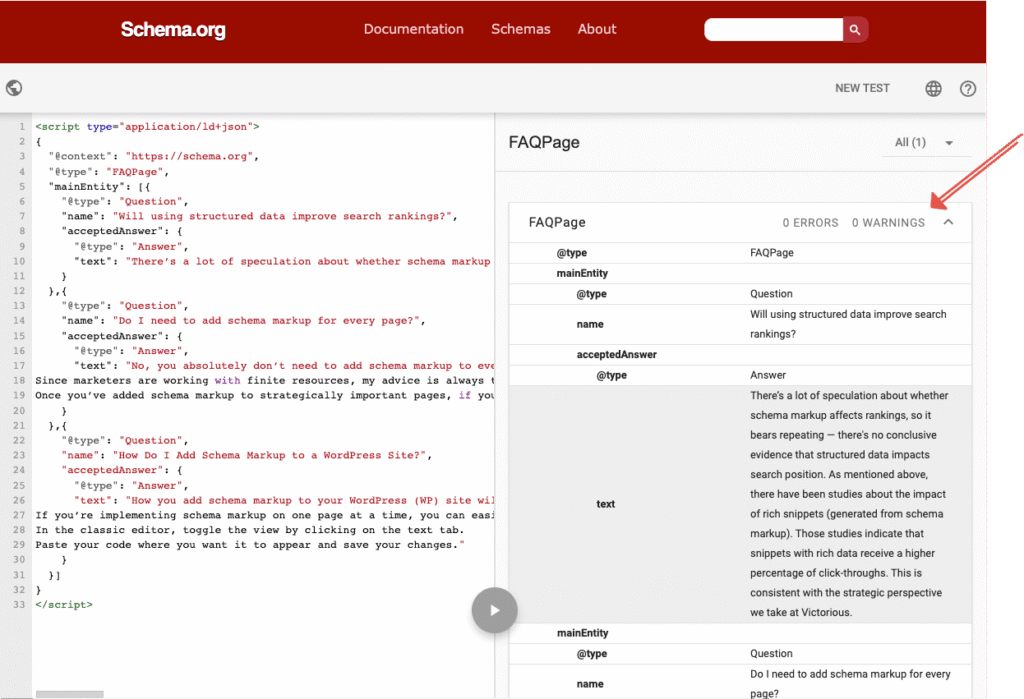
Product Variant Structured Data
Another important part of the implementation was structured data.
For eligible product pages, I reviewed the Product structured data and ensured that variant information was represented accurately.
Google introduced specific documentation for product variants and supports scenarios where variants have distinct URLs.
This created a better connection between the product information on the page and the structured data provided to search engines.
I also paid attention to consistency between the visible product information and structured data, particularly around product name, price, availability, and variant attributes.
The purpose was not to add schema simply for the sake of having schema. It was to provide search engines with a clearer understanding of the products and their relationships.
Avoiding Duplicate Product Variant Pages
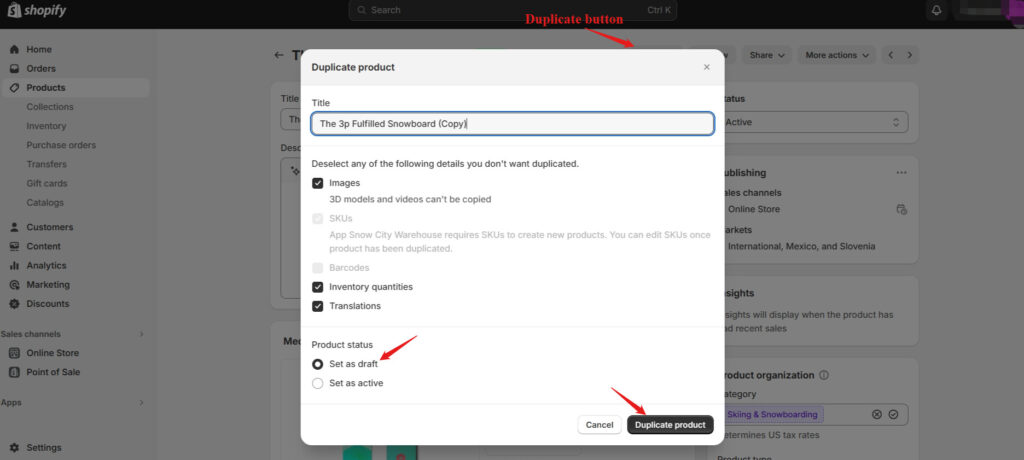
Duplicate content was one of the most important technical considerations in the project.
If several URLs represented essentially the same content, I needed to determine whether those URLs should actually exist as independent SEO pages.
Where a variant had genuine independent search value and a distinct user purpose, it could be treated differently from a simple filter combination.
For pages that did not provide unique SEO value, I focused on appropriate canonicalization, indexation controls, and URL management rather than allowing every generated URL to compete in search.
Google describes canonicalization as a way of selecting the representative URL from a group of duplicate or very similar pages. It also makes clear that canonicalization is a signal rather than an absolute command.
Internal Linking at Scale
Programmatic SEO becomes much more powerful when the generated pages are properly connected to the rest of the website.
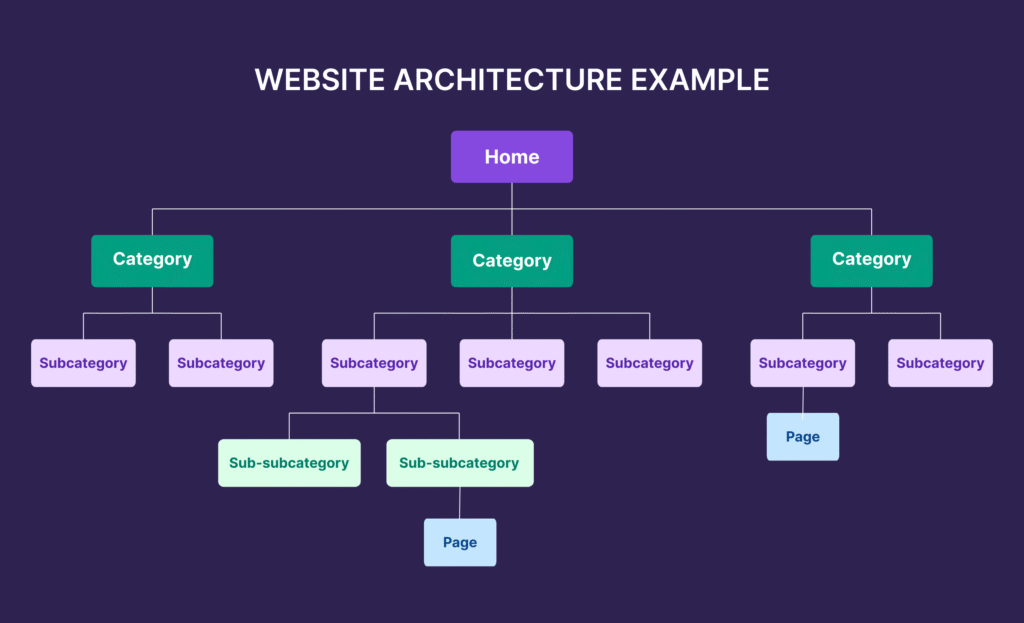
I created a logical internal linking system between:
Category → Subcategory → Product → Variant → Related Product
For example, a category page could link to an important product page, while the product page could connect users to relevant variants and related products.
This helped users discover products more easily and also created a clearer site structure for search engine crawlers.
Rather than generating thousands of isolated pages, the goal was to build a connected e-commerce ecosystem.
Controlling Indexation
One of the most important lessons from this project was that more indexed pages do not automatically mean better SEO.
A large product database can generate thousands or even millions of possible URL combinations.
I therefore separated pages into different groups based on their SEO value.
High-value pages could be optimized for organic search.
Useful but non-priority pages could remain accessible to users without necessarily becoming primary SEO landing pages.
Low-value combinations could be controlled to reduce unnecessary crawling and indexation.
This approach helped prevent the website from treating every possible product combination as an SEO landing page.
Improving Product Page Content
Programmatic SEO does not mean relying completely on automation.
I combined dynamic content with manually reviewed content for the most important products and categories.
High-priority pages received additional optimization around:
- Search intent
- Product descriptions
- Benefits and features
- Buying considerations
- FAQs
- Internal links
- Related products
- Product comparisons
- Images and alt text
- Structured data
- Metadata
This created a hybrid workflow where automation handled scale while human optimization handled quality.
Technical SEO and Crawl Management
With a large number of product URLs, crawl management became another major consideration.
I reviewed the site’s URL patterns, XML sitemap structure, canonical tags, internal links, response codes, and indexation signals.
I also looked for unnecessary URLs generated by filters, sorting options, tracking parameters, and other dynamic functionality.
The objective was to help search engines spend more of their crawling resources on pages that actually mattered.
This was especially important because an e-commerce website can easily create a much larger URL space than the number of products shown in the catalog.
Monitoring the Programmatic SEO System
After implementation, I did not simply publish the pages and leave them alone.
I monitored the system through Google Search Console and analytics data.
I reviewed which pages were being indexed, which pages were receiving impressions, which queries were generating visibility, and where pages were struggling to gain traction.
I also monitored indexing issues and looked for patterns.
For example, if hundreds of generated pages were consistently failing to gain impressions, that could indicate that the pages were not sufficiently differentiated, did not satisfy search intent, or did not deserve independent indexation.
This allowed the programmatic SEO system to evolve based on real search behavior rather than assumptions.
The Result of the Strategy
The biggest improvement from this project was not simply the creation of a large number of pages.
The real improvement was the creation of a scalable SEO framework.
Instead of treating every product variant as an isolated SEO task, the website had a repeatable system for deciding:
Which variants should have dedicated URLs.
Which variants should remain part of the main product page.
How titles and metadata should be generated.
How variant information should appear on the page.
How internal links should connect related products.
How structured data should represent product relationships.
And how low-value URL combinations should be controlled.
This made the SEO process significantly more manageable as the product catalog continued to grow.
What I Learned From This Project
This project reinforced an important lesson for me as an e-commerce SEO specialist:
Programmatic SEO is not about producing the maximum number of pages. It is about producing the maximum number of useful pages that deserve to exist.
A website with 50,000 automatically generated pages is not necessarily stronger than a website with 5,000 well-structured pages.
Search intent, content quality, technical architecture, internal linking, and indexation control all need to work together.
When these elements are properly planned, programmatic SEO can become a powerful way to scale organic visibility across a large e-commerce catalog.
My Approach as an E-commerce SEO Specialist
When I work on large e-commerce websites, I look beyond individual product pages.
I analyze the entire relationship between products, variants, categories, keywords, URLs, internal links, structured data, and search intent.
My goal is to create an SEO architecture that can continue working as the business adds hundreds or thousands of new products.
For me, successful programmatic SEO is not simply automation.
It is strategy + data + technical SEO + content quality + continuous monitoring.
That was the foundation of my approach to this mass product variant SEO project.
Final Thoughts
Large e-commerce websites have enormous SEO potential, but scale can quickly become a technical problem if it is not controlled properly.
Through programmatic SEO, it is possible to build a structured system for managing thousands of products and their variations without manually optimizing every single URL.
But the strategy must always start with user demand.
Every page should have a reason to exist, a clear search intent, useful information, and a logical place within the website.
That is how I approached this project as Rupam Golder — E-commerce SEO Specialist: not by generating pages simply because technology made it possible, but by using automation to create a scalable SEO structure that was designed around real users and real search behavior.