Introduction
In e-commerce SEO, product pages usually get most of the attention. However, category pages can be just as important, especially when the goal is to attract people who are actively searching for a particular type of product. A well-optimized category page can bring in relevant organic traffic, help visitors discover the right products, and ultimately contribute to more sales.
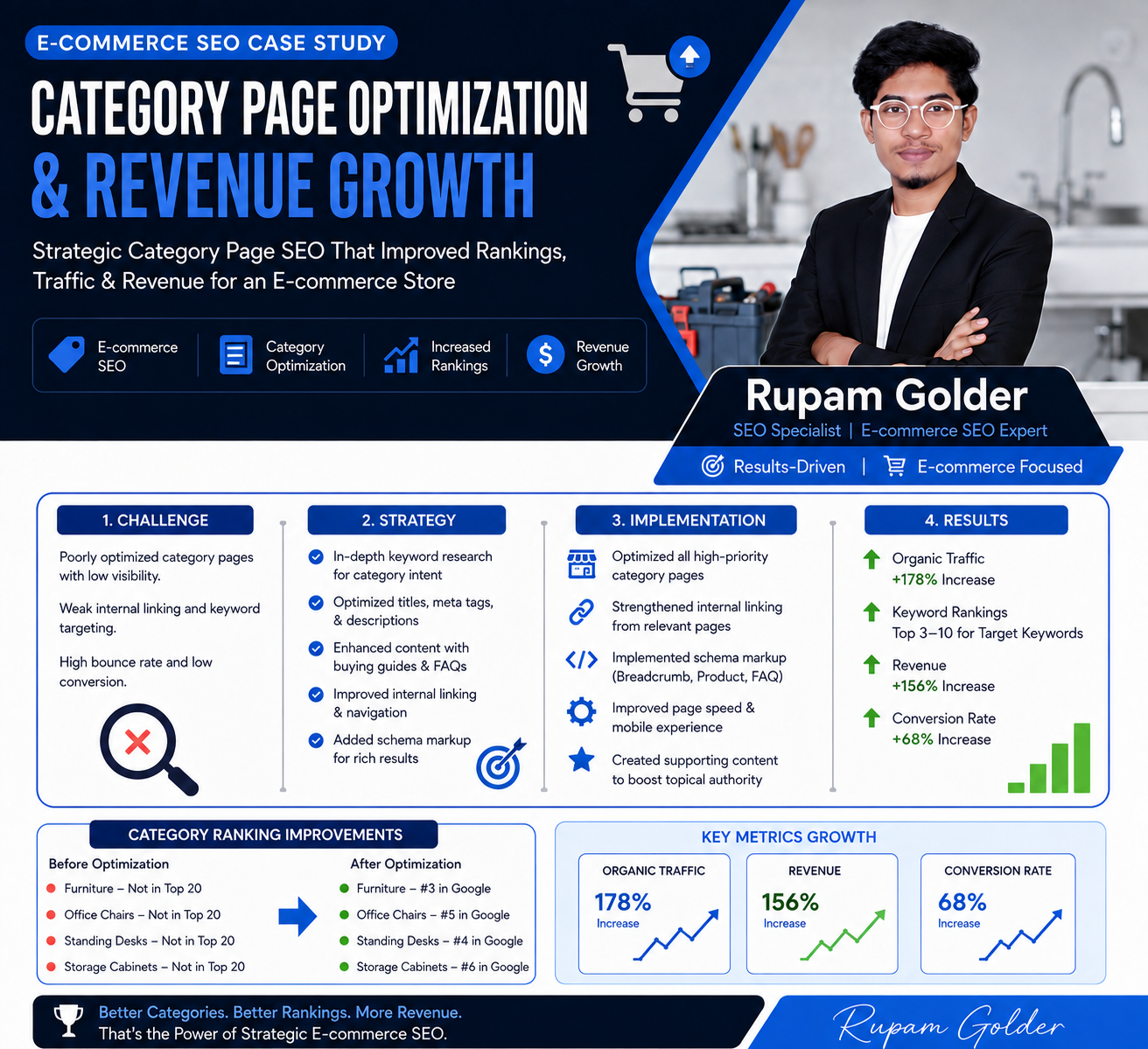
In this case study, I want to share how I approached category page optimization and organic revenue growth for an e-commerce website. The project was not simply about adding keywords or trying to improve rankings. The main goal was to understand how people were searching, improve the website’s category structure, strengthen the pages from an SEO perspective, and create a smoother journey from organic search to product discovery and conversion.
I’m Rupam Golder, an SEO Specialist, and when I work on e-commerce SEO, I always try to look beyond rankings. A keyword position is useful, but what matters more to a business is whether that visibility brings qualified visitors and contributes to actual growth.
Understanding the Problem
When I first reviewed the website, I noticed that the business had a good range of products, but the category pages were not performing as strongly as they could have been. Some pages were receiving impressions but very few clicks, while others had little or no meaningful organic visibility.
The main issue was not one single technical problem. Instead, several smaller SEO and content issues were working together. Some category pages had very little useful content, while others were targeting keywords that did not perfectly match the products or the search intent behind those keywords.
There were also issues with internal linking, page structure, title tags, meta descriptions, keyword targeting, and the relationship between category pages and subcategories. In a few areas, closely related pages were competing for similar search terms, which made the overall website structure less clear.
After looking at the website as a whole, I realized that the focus needed to shift from simply trying to rank individual pages to building a stronger category-level SEO strategy.
Researching Search Intent Before Optimization
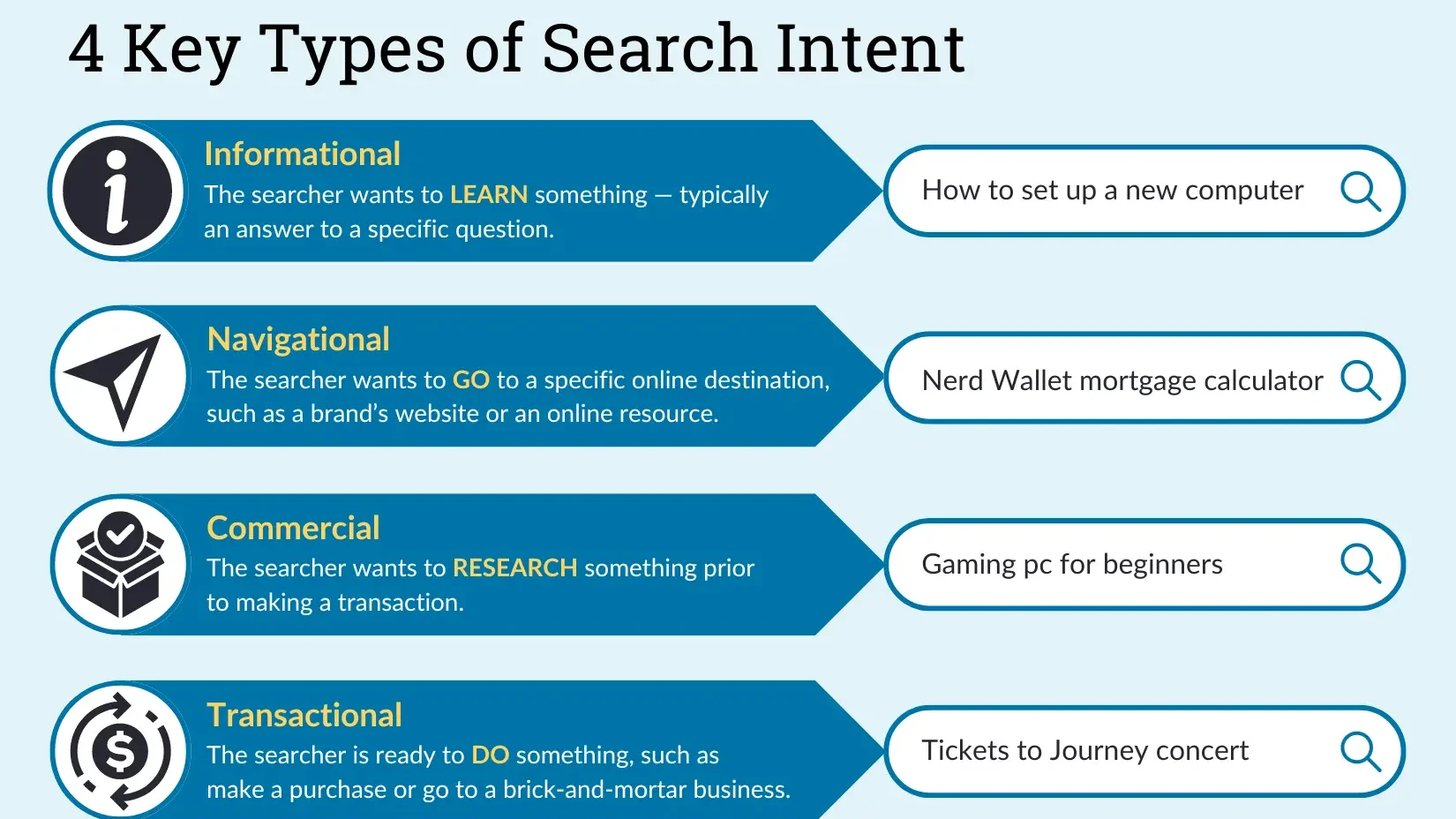
One of the first things I focused on was search intent.
I didn’t want to optimize category pages simply because a particular keyword had a high search volume. Search volume alone doesn’t tell us whether the people searching for that keyword are actually interested in buying something.
For example, someone searching for “how to choose running shoes” has a very different intention from someone searching for “buy men’s running shoes.” The first search is primarily informational, while the second has a much stronger commercial or transactional intent.
For category pages, I focused mainly on keywords that matched product discovery and purchasing intent. I also looked at related terms, long-tail searches, product attributes, and the language people commonly use when looking for those products.
This helped me create a more useful keyword strategy instead of forcing keywords into pages simply because they had a high search volume.
Building a Better Keyword Mapping Strategy
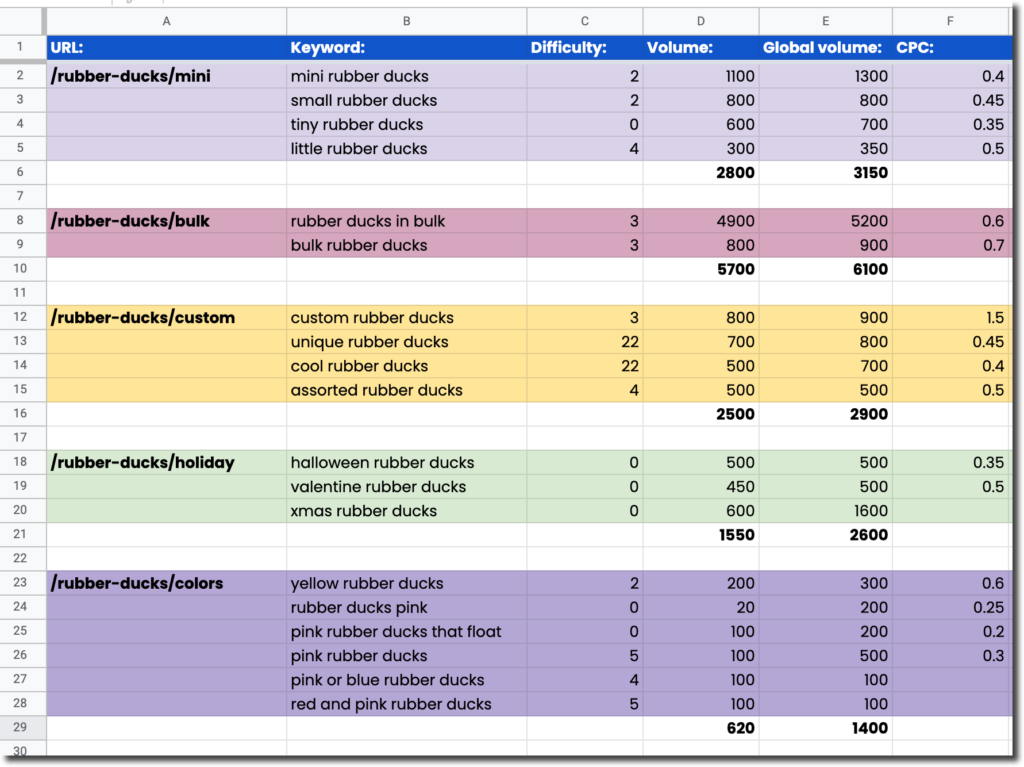
Once the search intent was clear, I started mapping keywords to the appropriate pages.
This was particularly important because e-commerce websites can have hundreds or even thousands of URLs. Without proper keyword mapping, different pages can end up targeting the same or very similar terms.
I reviewed the main categories, subcategories, product pages, and supporting content to determine what each page should ideally rank for. The objective was to give every important page a clear purpose.
Creating Clear Keyword Relationships
The main category pages were focused on broader product terms, while subcategories were used for more specific product searches. Individual product pages were then optimized around product-specific queries.
This created a logical relationship between the different levels of the website.
Instead of having several pages competing against each other, the website started to have a clearer structure where each page served a specific search intent.
Improving the Category Page Content
One of the biggest improvements involved the actual content on the category pages.
Many e-commerce websites make the mistake of treating category pages as nothing more than a product grid. Visitors see product images, prices, and buttons, but there is very little information explaining what the category is about or helping them make a decision.
I wanted to change that without turning the pages into long, unnecessary blocks of SEO text.
The content was developed around the actual needs of potential customers. It explained what types of products were available, what features shoppers should consider, and how they could choose the right option.
I also looked at common questions and concerns customers might have before making a purchase. This allowed the category pages to provide useful information while naturally incorporating relevant keywords and related terms.
As Rupam Golder, my approach to e-commerce content is simple: the page should be written for real people first, while SEO should naturally support the content rather than control it.
Optimizing Titles and Meta Descriptions
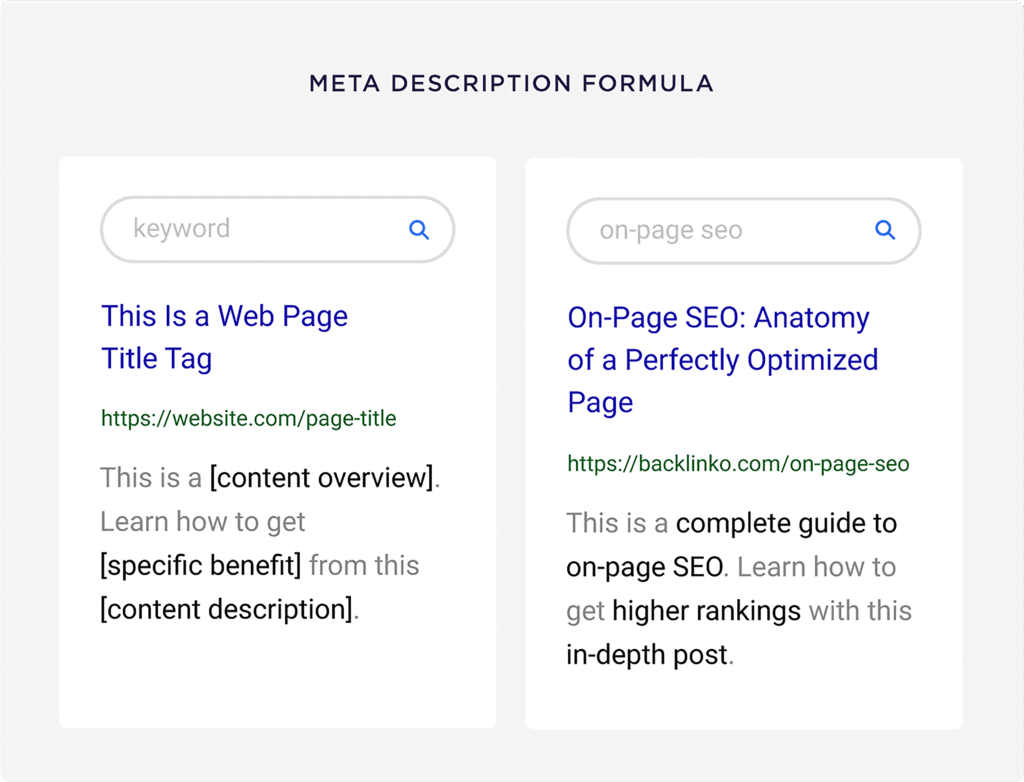
I also reviewed the title tags and meta descriptions across the important category pages.
Some of the existing titles were too generic and did not clearly communicate what the page offered. A searcher should be able to look at a title and quickly understand what they are going to find after clicking.
I therefore created more descriptive title tags based on the primary keyword, product category, and relevant modifiers.
Meta descriptions were also improved to better communicate the value of each page. The goal was not to stuff them with keywords, but to make the search result more relevant and appealing to potential customers.
Improving the way category pages appear in search results can have a positive impact on organic click-through rates, particularly when competitors are targeting similar keywords.
Strengthening Internal Linking
Internal linking was another important part of the strategy.
A strong e-commerce website should have a clear connection between its homepage, categories, subcategories, products, and supporting content. Search engines use these relationships to better understand the structure and importance of different pages.
I reviewed the existing internal links and looked for opportunities to connect related pages more naturally.
For example, relevant blog articles could link to commercial category pages, while category pages could link to important subcategories and product collections.
This created a more connected website structure and also made it easier for visitors to move from informational content toward relevant products.
Addressing Keyword Cannibalization
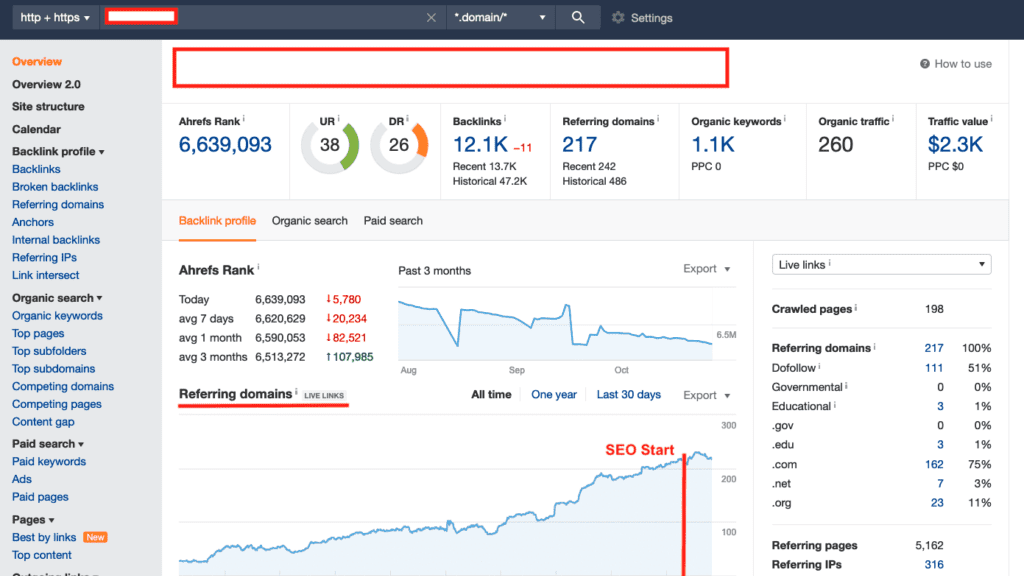
During the audit, I also paid attention to keyword cannibalization.
When multiple pages target very similar keywords and search intent, they can end up competing with each other. This can make it difficult for search engines to determine which page should rank for a particular query.
I reviewed the pages involved, their existing rankings, content, titles, URLs, and internal links. Where necessary, I adjusted the targeting so that each page had a more clearly defined purpose.
This wasn’t about removing pages simply because they were similar. The focus was on making the relationship between related pages clearer and reducing unnecessary competition.
Improving the Technical SEO Foundation
Content and keywords alone are not enough for a successful e-commerce SEO campaign.
I also reviewed the technical foundation of the category pages, including indexability, canonical tags, sitemap coverage, URL structure, robots directives, breadcrumbs, and other important technical elements.
E-commerce websites can have another major issue that smaller websites often don’t face: faceted navigation.
Filters such as size, color, brand, price, and other product attributes can create large numbers of URLs. If these URLs are not managed properly, they can create duplicate or low-value pages and consume unnecessary crawl resources.
Therefore, part of the optimization process was making sure that search engines could efficiently discover and understand the pages that were actually important for organic search.
Connecting SEO With Conversion
One of the biggest changes in my approach was looking at category pages from both an SEO and conversion perspective.
Getting someone to visit a category page is only the beginning. The page then needs to help that visitor find the right product.
I reviewed elements such as navigation, product filtering, breadcrumbs, product organization, calls to action, and the overall user journey.
The objective was to reduce unnecessary friction.
A visitor who arrives through Google should be able to quickly understand what the category offers, explore relevant products, compare options, and move toward a purchase without having to search through the website again.
This is where SEO and conversion rate optimization can work together.
Supporting Category Pages With Content
I also looked at the role of supporting content.
Category pages should not exist in isolation. Relevant blog posts, buying guides, comparison articles, and FAQ content can support the overall topic and create additional opportunities to attract organic traffic.
For example, an informational article can answer a customer’s question and then naturally direct that visitor to a relevant category page.
This creates a journey like:
Informational Search → Helpful Content → Category Page → Product Page → Purchase
The strategy is not about forcing every blog visitor to buy something. Instead, it is about creating useful connections between different parts of the website.
Measuring Organic Growth
For this type of project, I believe rankings should never be the only measurement of success.
I look at a broader set of SEO and business metrics, including organic impressions, clicks, click-through rate, keyword visibility, category-level traffic, product discovery, organic conversions, and revenue generated through organic search.
A page ranking in the top positions is certainly a positive sign. But if that page attracts the wrong audience and generates no business value, the ranking alone doesn’t tell the full story.
That’s why I always try to connect SEO performance with the actual goals of the business.
The Key Lesson From This Project
The biggest lesson from this project was that category pages deserve much more attention in an e-commerce SEO strategy.
A category page can serve several purposes at the same time. It can attract search traffic, explain a product category, help users discover products, strengthen the website’s internal structure, and guide potential customers toward conversion.
When keyword research, search intent, content, technical SEO, internal linking, and user experience are working together, a category page becomes much more than a product listing page.
It becomes an important organic growth asset.
My Approach to Category Page Optimization
When I optimize category pages, I don’t look at SEO as a checklist where every page simply needs a keyword, an optimized title, and some content.
I start by understanding the business and its customers. Then I research what people are searching for, identify the intent behind those searches, map keywords to the correct pages, and analyze how the website’s existing structure supports or limits organic growth.
From there, I work on the content, internal linking, technical SEO, page structure, and user experience.
The ultimate goal is to create category pages that are useful for customers and understandable to search engines.
Final Thoughts
Category Page Optimization & Organic Revenue Growth is not about adding as many keywords as possible to an e-commerce page. It is about creating a better connection between what people search for and what the website offers.
A properly optimized category page can attract more relevant organic traffic, improve search visibility, strengthen website architecture, support product pages, and create a smoother path toward conversion.
As Rupam Golder, my goal with e-commerce SEO is not simply to help a website rank for more keywords. I focus on building a sustainable organic search strategy where visibility, relevant traffic, user experience, and business growth work together.
At the end of the day, successful e-commerce SEO should answer one important question:
Can organic search bring the right people to the website and help turn those visitors into customers?
For me, that is the real purpose of category page optimization—and the foundation of long-term organic revenue growth.