How I Improved Local Search Visibility for a Restaurant & Café Business
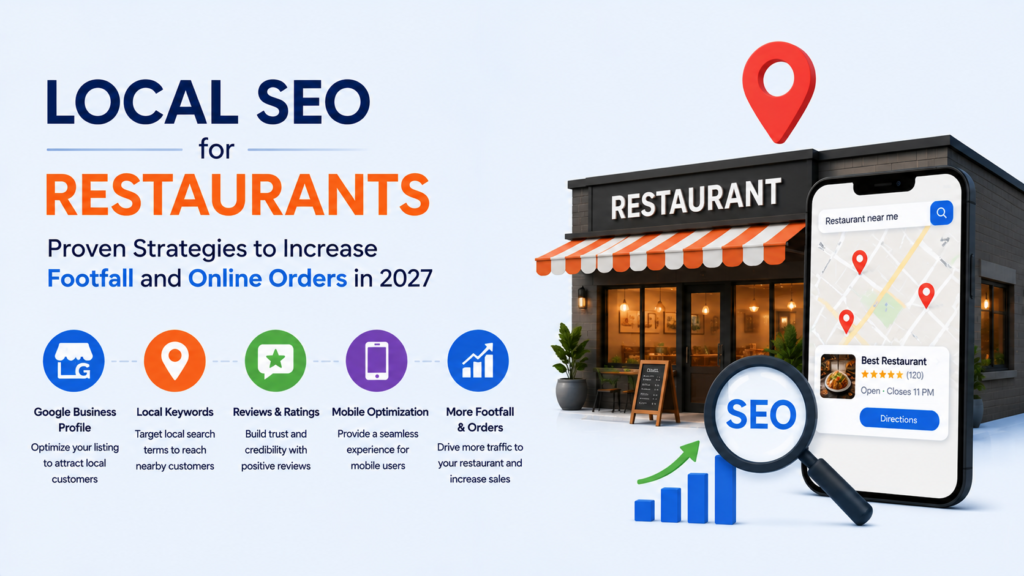
For restaurants and cafés, local search visibility can have a direct impact on foot traffic, phone calls, table reservations, and orders. When people want to find somewhere to eat, they often search for terms such as “best restaurant near me,” “café near me,” “best coffee shop in ,” or “restaurants near .” This makes Local SEO an important part of growing a restaurant’s online presence.
As an SEO professional, I, Rupam Golder, worked on a local SEO strategy focused on making the restaurant more visible to people who were actively searching for food and dining options in the local area.
Understanding the Local Search Opportunity
The first step was understanding how customers were searching for restaurants and cafés. Instead of focusing only on broad keywords like “restaurant” or “café,” I looked at searches that showed clear local and commercial intent.
I also considered the different reasons people search. Some users may be looking for breakfast, some for dinner, some for coffee, while others may be searching for a restaurant near a particular attraction or neighborhood. Understanding these different search intents helped shape the overall SEO strategy.
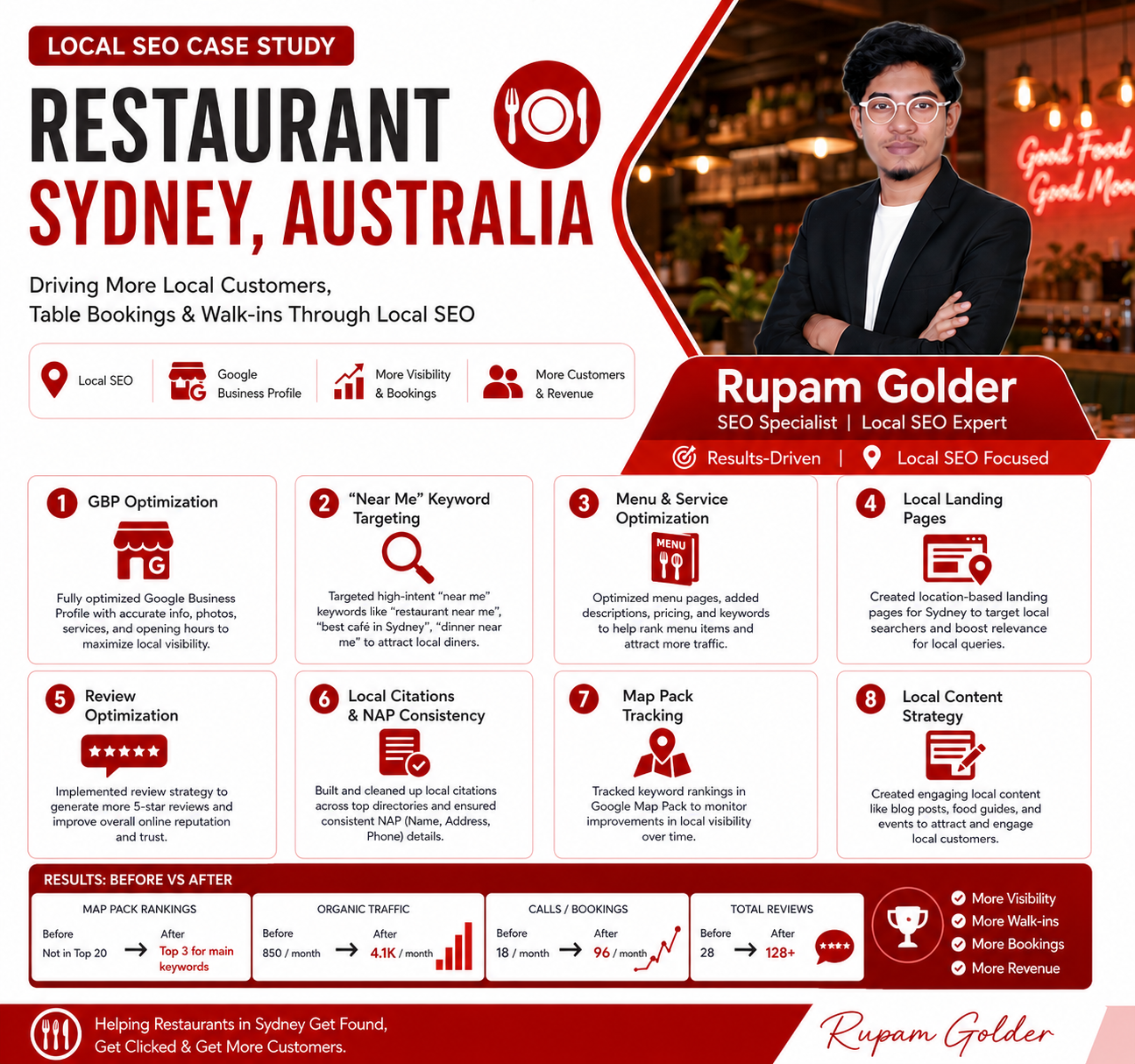
Optimizing Google Business Profile
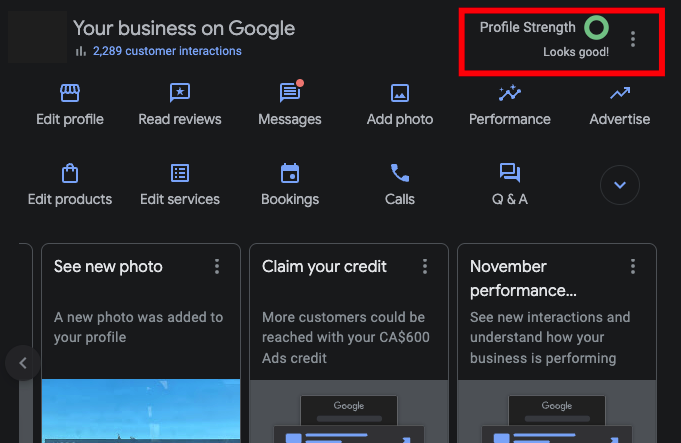
Google Business Profile was an important part of the local SEO campaign. I focused on making sure the restaurant’s business information was accurate, complete, and consistent.
The business name, address, phone number, category, opening hours, website, menu information, photos, and other important details needed to accurately represent the real business.
For a restaurant, visual information is particularly important. High-quality and authentic photos of the food, dining area, exterior, and overall atmosphere can help potential customers understand what they can expect before visiting.
The goal was not simply to optimize the profile for search engines, but to make it genuinely useful for someone deciding where to eat.
Building Local Content Around the Restaurant
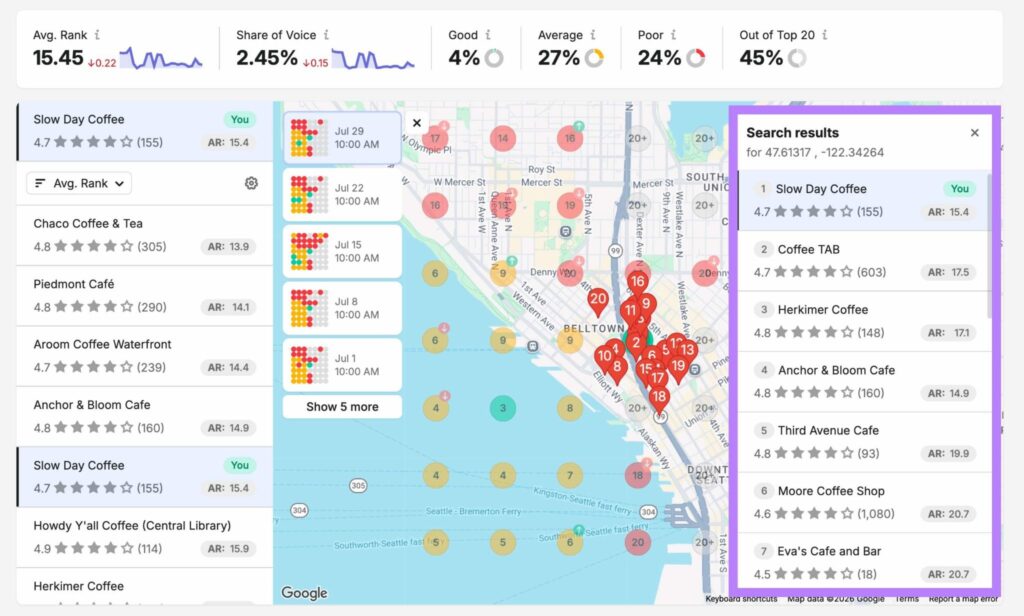
I also worked on strengthening the website’s local relevance through content.
Instead of repeatedly mentioning the city name, I focused on creating content that naturally connected the restaurant with its local area.
For example, a restaurant located near a popular shopping district could create useful content around dining in that area. A café near a university could focus on topics relevant to students and local visitors. A restaurant near a tourist attraction could provide information about dining options around the attraction.
This type of content gives Google more context about the business while also providing something useful to local customers.
Improving Restaurant Service Pages
The website structure was another important part of the strategy.
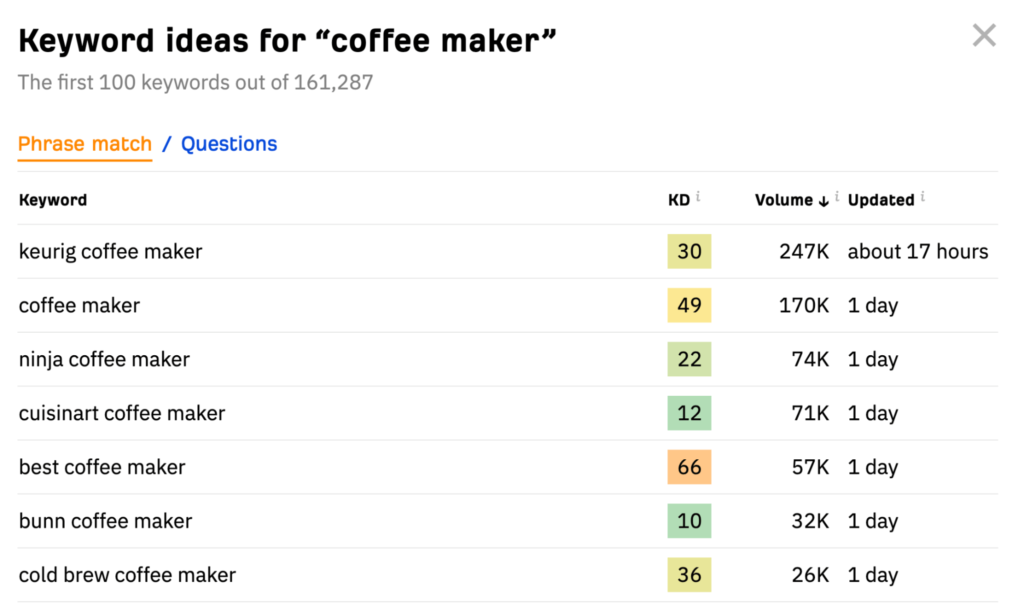
Rather than relying only on a homepage, I focused on making important information easier to discover. Menu pages, location information, food categories, private dining information, catering services, and other relevant pages can each serve a specific search intent.
For example, someone searching for “brunch restaurant ” should ideally land on a page that clearly explains the restaurant’s brunch offering rather than a generic homepage.
This creates a better experience for the visitor and gives search engines a clearer understanding of the business.
Reviews and Local Trust
Reviews are extremely important for restaurants because customers often check ratings and feedback before deciding where to eat.
I considered genuine customer reviews as part of the broader trust strategy. Reviews can help potential customers understand the quality of the food, service, atmosphere, and overall experience.
I believe restaurants should focus on earning genuine reviews through good customer experiences rather than trying to manipulate ratings. Authentic feedback creates stronger long-term trust.
Local Citations and Business Consistency
Another part of the Local SEO process was checking the restaurant’s business information across relevant online platforms and directories.
The business name, address, phone number, and website should remain accurate and consistent wherever the restaurant is legitimately listed.
This helps create a stronger and more reliable local presence.
For a restaurant or café, consistency is particularly important because customers often discover businesses through different platforms before visiting the website.
E-E-A-T and Content Quality
I also applied E-E-A-T principles to the content strategy.
Restaurant content should feel authentic and useful rather than generic. Information about the food, ingredients, dining experience, location, menu, and services should accurately represent the actual business.
For example, if a restaurant specializes in a particular cuisine, the website should demonstrate genuine knowledge about that cuisine instead of publishing generic articles simply to target keywords.
As Rupam Golder, my focus was to make the content helpful for real customers while also building stronger signals of relevance, experience, and trust.
A Local SEO Strategy Focused on Real Customers
One of the most important lessons from the project was that restaurant SEO should always be connected to real customer behavior.
A person searching for “best café near me” is usually not interested in reading a long SEO article. They want to know where the café is, what it serves, when it is open, what it looks like, and how they can get there.
That is why I focused on making the website and local profile useful first and optimized for search second.
When those two goals work together, SEO can become a practical source of new customers rather than simply another marketing metric.
Final Thoughts
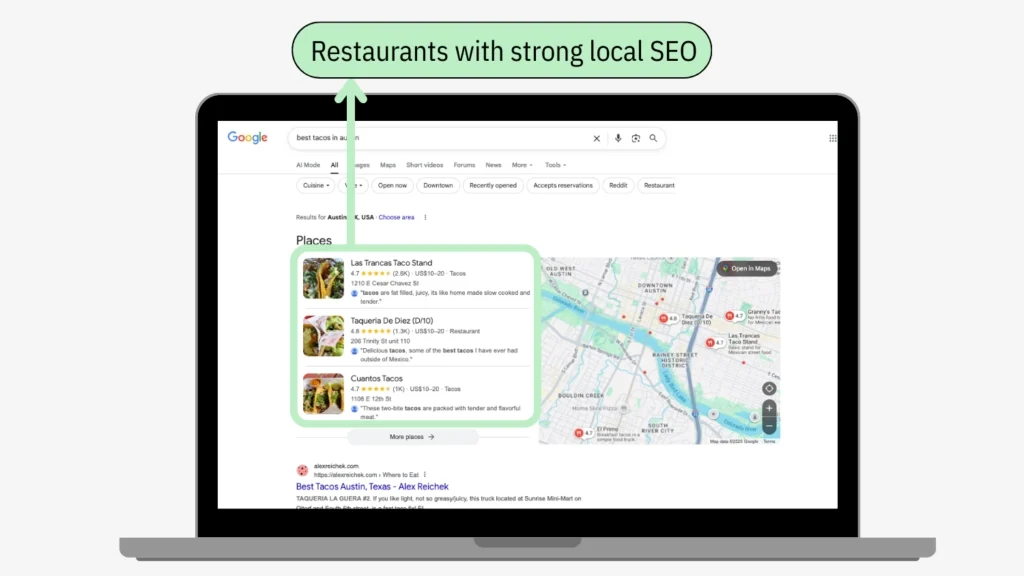
Restaurant and café Local SEO is about much more than ranking for the word “restaurant.” It is about appearing when people are actively looking for somewhere to eat, drink, meet, or spend time in a particular area.
Through Local SEO, Google Business Profile optimization, local content, website improvements, review strategy, citation consistency, and E-E-A-T-focused content, I worked to create a stronger online presence for the business.
As Rupam Golder, my approach is simple: understand how real customers search, create useful information around their needs, and build a trustworthy local presence that can support the business over the long term.